Key Highlights
A practical respirator selection guide for manufacturing, construction, logistics and maintenance teams, covering risk assessment, EN 149 classes and fit testing.
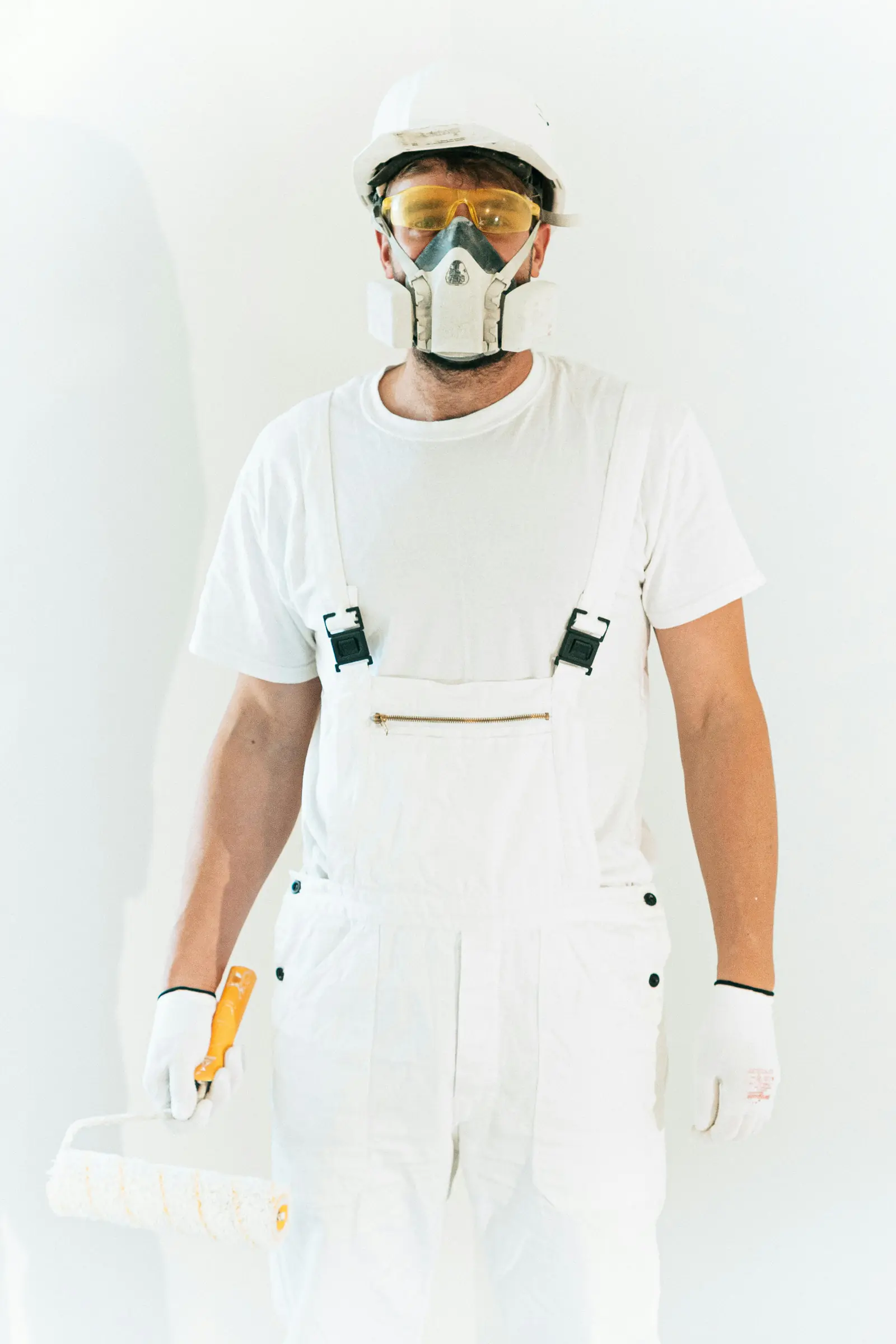
In environments with dust, metal fumes, mist, aerosols or chemical vapours, the wrong mask creates real exposure risk. Respiratory protection should start with hazard identification, not with a product list. ## 1. Identify the hazard first Determine whether the exposure is particulate, gas, vapour or a combination. Welding, concrete cutting, painting, chemical transfer and sanitation tasks do not require the same solution. ## 2. When should FFP classes be used? EN 149 classes define filtration performance against particles. FFP2 is commonly used for medium-to-high dust and aerosol exposure. FFP3 is more suitable where finer particles and higher exposure potential are present. Where gas or vapour hazards exist, a particle mask alone is not enough. ## 3. Face fit matters as much as the rating A certified product still underperforms if it does not seal properly. Facial hair, eyewear, face shape and long wearing periods can all increase leakage. That is why fit testing should be part of the selection process. ## 4. Evaluate it with the rest of the PPE set Respirators must work together with safety glasses, helmets, earmuffs or visors. A product that performs well on paper can fail in the real task if it clashes with other equipment. ## 5. Build a replacement and stock routine Filter life should be monitored based on exposure and duration of use. Disposable masks should be replaced when deformed, damp, contaminated or harder to breathe through. ## Quick procurement checklist - Is the contaminant type clearly identified? - Is the required protection level defined? - Has fit been tested on real users? - Is it compatible with eye, hearing and head protection? - Are spare filters and replacement rules already planned?